🔍 So “podology” (podología) literally means: “the science of feet” or “the study of feet.”
In other words, podology is a field of medicine and cosmetology that deals with the diagnosis, treatment, and prevention of foot and nail conditions. It’s not just a pedicure — it’s about caring for the health of your feet.
A podiatrist (podologist) is a specialist with specific training who works at the intersection of medicine and aesthetics. Their role is not only to improve the appearance of the feet but also to address and relieve problems that cause pain, discomfort, or inflammation.
What does a podologist do?
Treatment of ingrown toenails (including corrective brace placement)
Care for cracks, corns, and calluses
Removal of warts and hyperkeratosis
Diabetic foot care
Nail deformation correction
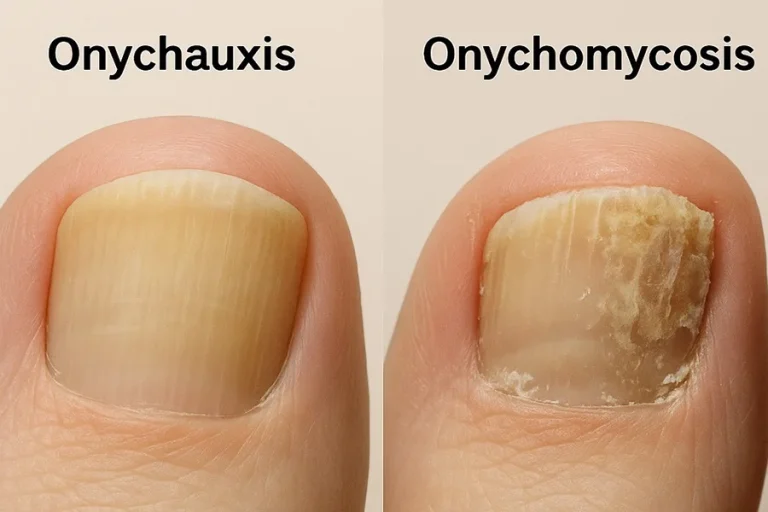
Prevention of fungal infections
Foot care consultations and product recommendations
📍 The role of a podologist is not just to eliminate external symptoms (corns, cracks, deformations), but also to identify the underlying causes. This is a specialist who takes a comprehensive approach to foot health — from the initial examination to at-home care advice and prevention planning.
Podiatry is about health.
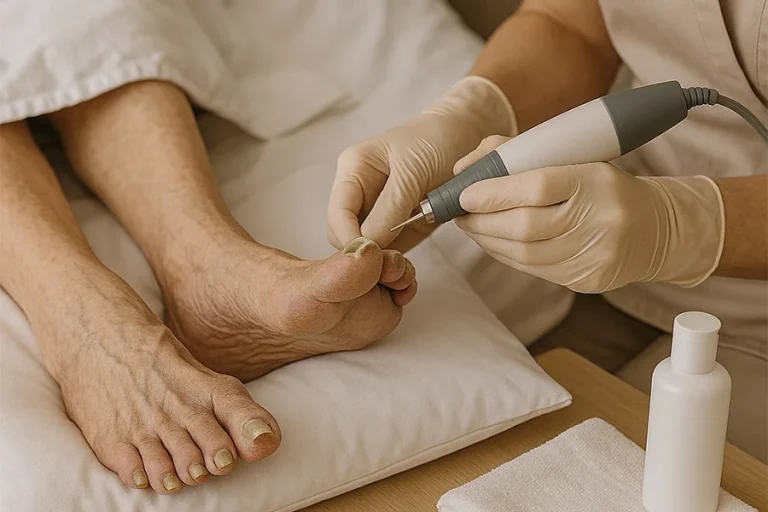
🩺 A podologist works with modern sterile equipment, follows medical standards, and refers patients to a dermatologist, surgeon, or other specialist when necessary.
They perform a thorough diagnosis of the condition of the feet and nails, use disposable supplies, and ensure that all instruments undergo mandatory disinfection and sterilization.
The approach is personalized: each client receives an optimal care and prevention plan. If chronic conditions are present, the podologist considers the client’s overall health profile.
Who can benefit from a podologist’s services?
People with diabetes
Those who frequently experience corns, cracks, or ingrown toenails
Athletes and people who spend a lot of time on their feet
Pregnant women
Elderly individuals
Anyone who cares about the health and hygiene of their feet
👣 Healthy feet are not a luxury — they’re an essential part of overall well-being and quality of life. Don’t wait until it hurts — trust your foot care to a professional.